

The two major challenges are that 1) most models used for video generation are trained on short clips and 2) they generate frames by looking at a fixed amount of context, then predicting what comes next. Once that context runs out, quality drops quickly. Add to that the resource demands (high-end GPUs with large amounts of VRAM) and generating longer videos becomes a challenge on local systems.
AI video generation has made major strides, but most local models still fall short when it comes to length. We now have many models can create impressive few-second clips, but when pushed to far output starts to degrade; scenes lose coherence, motion becomes erratic, and characters begin to loose consistency. This isn’t a bug but rather a limitation of architecture and how these models are trained.
FramePack was created to solve both of these problems. It’s a free, open source project that makes it possible to generate long videos using very modest hardware (NVIDIA GPU with as little as 6GB of VRAM and 32GB of conventional RAM).
How FramePack Works
Instead of scaling up hardware requirements, FramePack changes the way video is generated. It uses a method called fixed-length context compression, which means not every single prior frame in kept in memory. Rather, it keeps only what it needs to maintain motion and structure. This lowers memory usage and avoids the breakdowns that happen when earlier frames start getting forgotten.
FramePack also avoids the common problems that come from frame-by-frame predictio; most models rely heavily on the last frame to generate the next, which leads to compounding errors and visual drift. FramePack introduces more stable sampling that helps keep motion and characters consistent, even in longer sequences.
Hunyuan Image-to-Video Model
The backbone of FramePack is the Hunyuan model. This is a publicly released, high-quality image-to-video model that FramePack downloads and runs automatically. It’s trained to handle consistent motion and detail over time and supports the kind of frame stability FramePack needs to do its job.
The Hunyuan model is fast, open, and compatible with the compressed context system that FramePack is built around. You don’t have to configure anything. Just install the tool and it handles the rest.
Source Images
You can start with any image, including AI-generated images from models like Flux or Stable Diffusion. Or, you can use your own photos or illustrations. FramePack takes that single image and animates it, generating motion that can be guided by prompts which assist the direction of animation.
Unlike previous projects, this is not a stitching tool (it doesn’t try to chain a bunch of short clips together). The entire video is generated in one pass, based on the input image and prompt. Because of this, FramePack creates more consistent motion, fewer glitches, and video that doesn’t fall apart halfway through.
Runs on Mid-Range Hardware
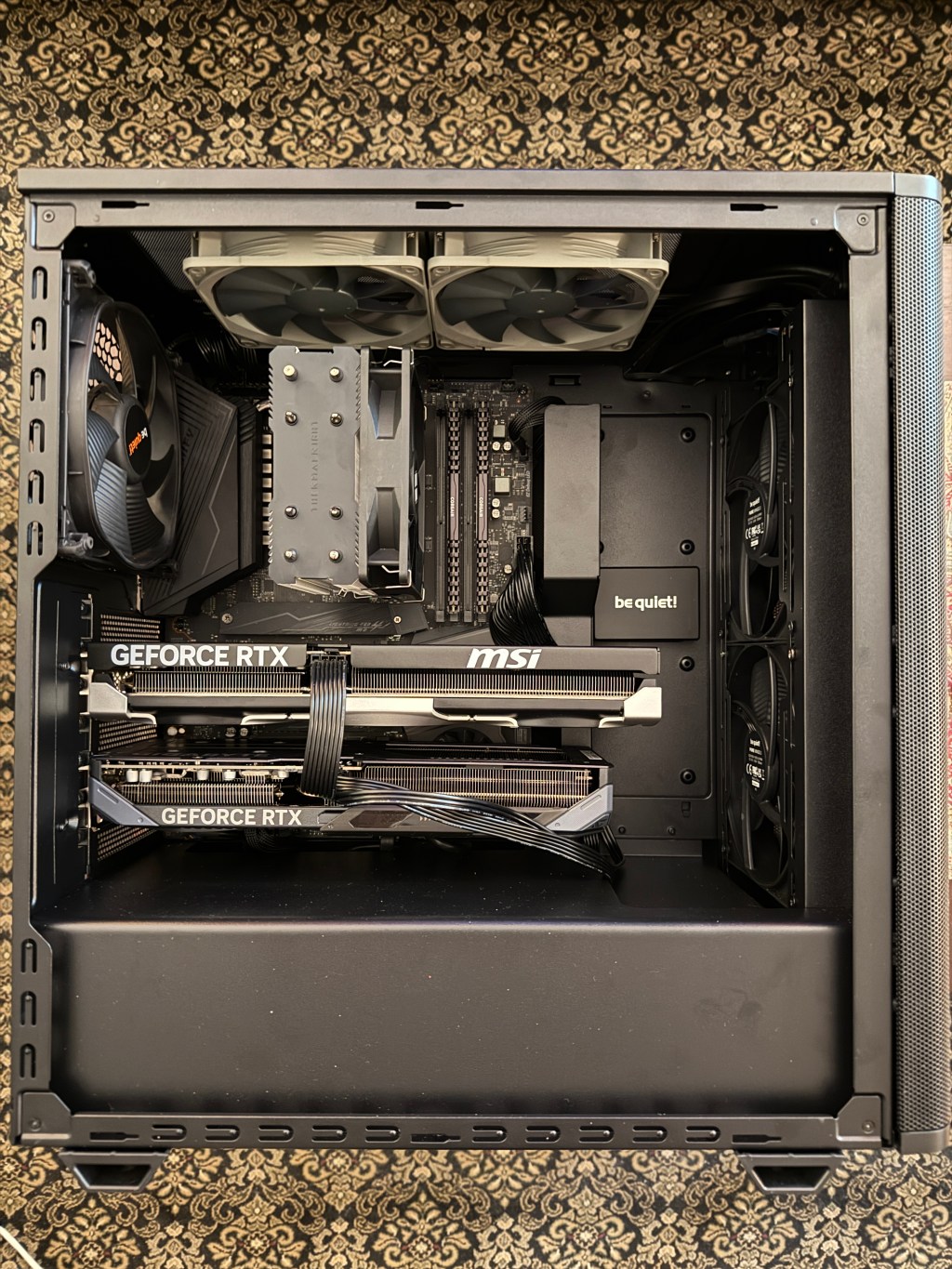
Most video generation tools assume you have access to expensive, high-VRAM GPUs. FramePack doesn’t. It runs on setups with 6GB of VRAM and 32GB of RAM. That includes laptops and mid-range desktops. However, be prepared for the initial 30-50GB model download on first run.
Conclusion
The FramePack project is fully open source and even includes a one-click installer which handles all the dependancies and setup. As mentioned above, the model and other support files even download on first launch.


 AightBits
Leave a comment